Sign In
Home Loans & Refinancing
Home Financing Simplified!
Buying a home is one of the biggest financial decisions you’ll ever make—we’re here to make it easier. .
Feel Like Mortgages Are Overwhelming?
You're not alone!
Between confusing terms, rate shopping, and unclear next steps, it’s easy to feel stuck.
When it comes to financing your home, you deserve more than just a loan—you deserve a partner.
Meet Our Mortgage Coaches
We're Your Home Loan BFFS

Why Choose PRMI Home?
When it comes to financing your home, you deserve more than just a loan—you deserve a partner.
● Personal guidance from a local team who understands your market.
● Flexible loan options designed to fit every buyer’s situation.
● Clear communication so you never feel lost in the process.
● Fast, smooth closings backed by years of lending experience.
Loan Options that Fit Your Life
Whether you’re buying your first home, upgrading, or refinancing, we’ll help you
find the loan that matches your goals:

Conventional
A classic choice with flexible terms.

FHA Loans
Lower down payments, perfect for first-time buyers.
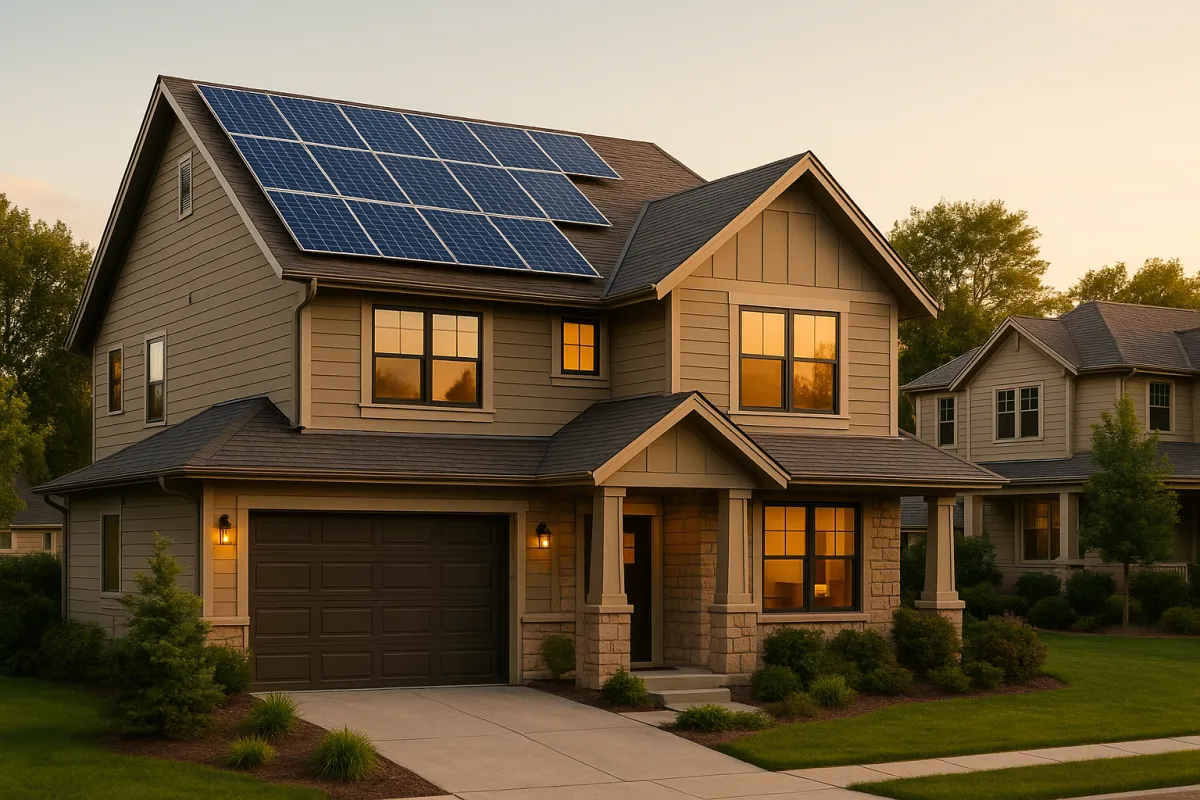
Lowtility Loan
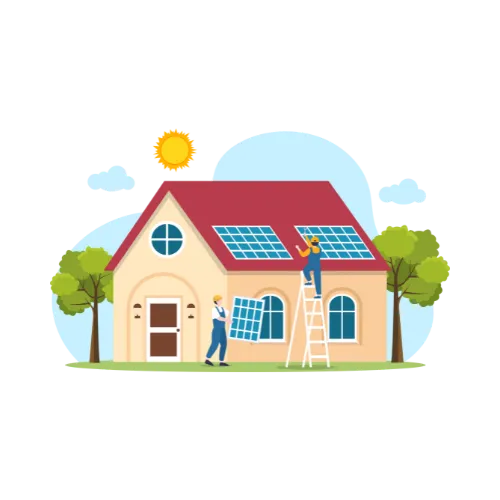
A unique program that lets you buy your home and roll in solar panels or smart home technology in the same loan, giving you more buying power by reducing utility costs.

VA Loans
Zero down payment options for veterans and service members.

USDA Loans
Affordable financing for rural and suburban areas.
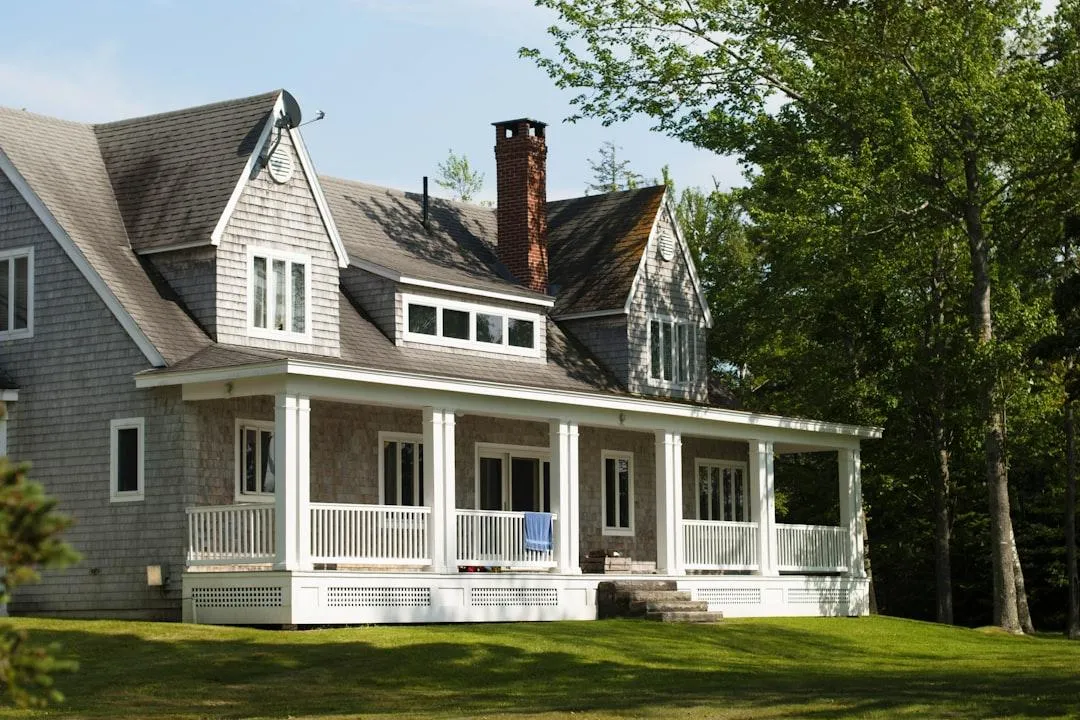
Jumbo Loans
Financing for higher-value homes.
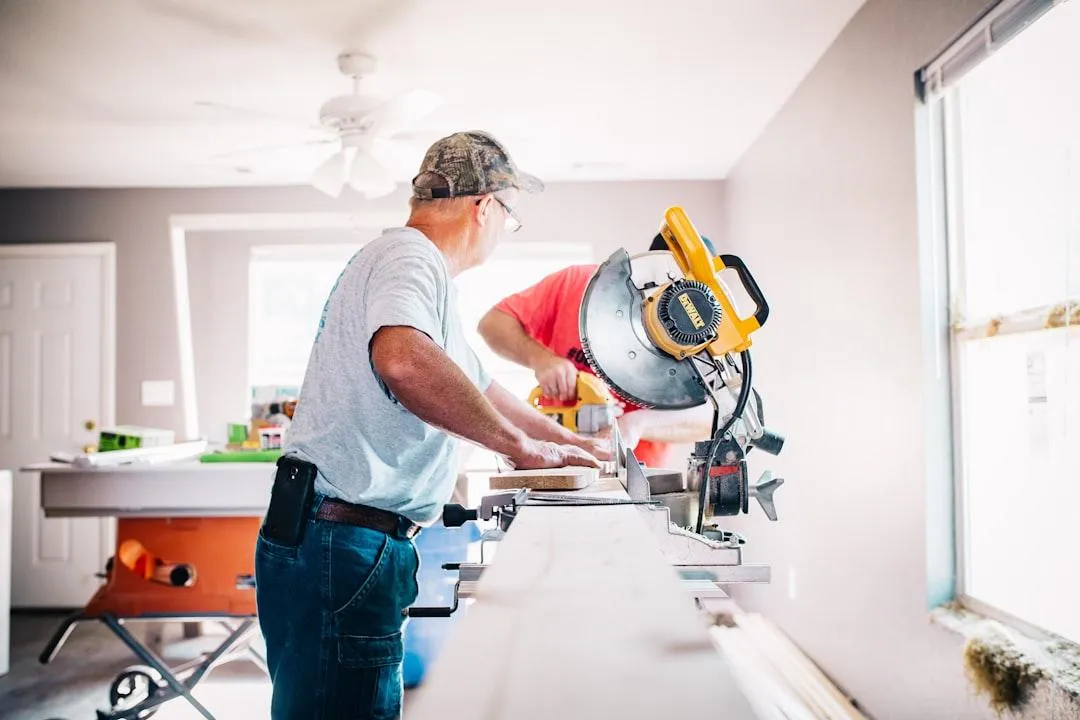
Refinance Options
Lower your rate, consolidate debt, or access equity.
👉 Not sure which loan is right for you? Our team will walk you through the options and find the best fit.
The Lowtility Advantage
Most lenders only look at your mortgage payment (PITI). But real life includes utilities. With a Lowtility Loan, you can replace your monthly utility costs with buying power—without increasing your budget.
That means you may qualify for more home or smarter upgrades by rolling solar and efficiency improvements into your mortgage.
💡 Imagine buying your home and reducing your utility bills at the same time. That’s the power of Lowtility.
Here's How It Works:

Step 1
Talk With
An Expert
Your loan officer is your partner throughout this entire journey. They'll answer any of your questions at any time. Their goal is to help you feel confident about your decision from the application all the way to the closing table.
Step 2
Fill Out an Application
The application gives our team more background into your current situation, goals, and helps them come up with a game plan to get you started!

Step 3
Explore Your Options
This is when you'll start to submit all of the formal paper work like pay stubs, taxes, and other important financial documents that our underwriters will need to write up your loan. You'll be in contact with both a loan officer and one of our in house underwriters!
Step 3
Close with Confidence
You've done it! You've completed the loan process and now you're so much closer to your goals! All you have to do is sign the dotted line and it's official!
Real Clients. Real Results.
Listen to what over 2,000 of our happy customers had to say about saving thousands of dollars on their financing.
Meet the Experts Behind the Mortgage Magic
PRMI Home is part of Primary Residential Mortgage, Inc., a nationally recognized lender that has served families across the country with over $100 billion in home loans. As your local branch, we bring the best of both worlds: the resources of a national lender and the personalized care of a hometown team.
Our mission is simple—make the mortgage process clear, approachable, and tailored to you.

Ready to Find Your Home?
Whether you’re buying your first home, refinancing, or exploring the Lowtility upgrade, PRMI Home is here to make the process stress-free and straightforward.
Let's get you started
Tell us a little about you and we'll be in touch within one business day.
Thanks — we got it.
We'll reach out within one business day. Want to skip the wait and grab a time on the calendar?
Schedule a call

Mortgage Know-How, Simplified.

How Much Money Do You Actually Need to Buy a Home in 2026?
If you’ve been waiting to buy your first home until you have “enough” saved up, you’re not alone. Most people we talk to have a number in their head — often 20% of the purchase price — and they’re quietly convinced they’re nowhere close.
Here’s the truth: for most first-time buyers in 2026, that number is wrong. Not a little wrong. A lot wrong.
Let’s break down what it actually costs to get into a home today, where the 20% myth came from, and why programs built for real buyers — not the textbook version of a buyer — have made the math a lot friendlier than you think.
If you’ve been waiting to buy your first home until you have “enough” saved up, you’re not alone. Most people we talk to have a number in their head — often 20% of the purchase price — and they’re quietly convinced they’re nowhere close.
Here’s the truth: for most first-time buyers in 2026, that number is wrong. Not a little wrong. A lot wrong.
Let’s break down what it actually costs to get into a home today, where the 20% myth came from, and why programs built for real buyers — not the textbook version of a buyer — have made the math a lot friendlier than you think.
Where the 20% Down Myth Came From
The 20% figure isn’t pulled out of thin air. It used to be the threshold for avoiding private mortgage insurance (PMI) on a conventional loan, which is a fee lenders charge when your down payment is small. That piece is still true.
What’s changed is how many loan programs now exist specifically to help people buy with far less down — including some that require nothing at all. Twenty percent was never a rule; it was a target that made the loan cheaper. It still does, but it’s not a requirement, and for most first-time buyers, waiting to save that much can cost you more in rising home prices than you’d ever save in interest.
What First-Time Buyers Actually Put Down
According to the National Association of Realtors, the median down payment for a first-time buyer has hovered between 6% and 8% for years. Not 20%. And that’s the median — meaning half of first-time buyers put down even less.
Here’s the range you’ll see across common loan types:
Conventional loan: as little as 3% down
FHA loan: 3.5% down with credit scores as low as 580
VA loan: 0% down for eligible veterans and service members
USDA loan: 0% down in eligible rural and suburban areas
Down Payment Assistance (DPA) programs: can bring your out-of-pocket costs to $0 even on a conventional or FHA loan
In other words: the loan product you pick changes everything. If you’ve been saving toward a 20% down payment, you may already have more than enough for two or three different paths into a home.
The Full Cost of Buying a Home (It’s Not Just the Down Payment)
When people talk about the cash you need to buy a house, they usually mean the down payment. But there are a few other line items that catch new buyers off guard. Here’s the full picture on a $400,000 home:
Down payment: $0 to $80,000 depending on loan type
Closing costs: typically 2% to 5% of the loan amount ($8,000–$20,000)
Earnest money deposit: usually 1% of the purchase price, applied toward your down payment or closing costs
Home inspection: $400–$600, paid at the time of inspection
Appraisal: $500–$800, typically paid upfront or rolled into closing
Reserves: many loan programs want to see 1–3 months of mortgage payments in savings after closing
That list looks intimidating, but almost every item on it can be negotiated, rolled into the loan, or covered by a seller credit or assistance program. Knowing what the costs are is the first step. Knowing which ones actually have to come out of your pocket is the real answer.
How Down Payment Assistance Changes the Math
Down Payment Assistance (DPA) programs are exactly what they sound like: money that helps cover your down payment and, in many cases, your closing costs. Some are grants. Some are forgivable loans. Some are second mortgages with favorable terms.
The key thing to know is that DPA isn’t a special-case program for one narrow group of buyers. There are thousands of DPA programs across the country — state, county, city, employer, and lender-sponsored — and most first-time buyers qualify for at least one of them.
At Lowtility, we built our program around a specific piece of DPA called Grid to Green, which covers up to 5% of your purchase price toward your down payment and closing costs. On that $400,000 home, that’s $20,000 you don’t have to bring to the table.
The Zero-Down Path with Lowtility
Lowtility bundles three things into a single loan: your mortgage, down payment assistance, and energy upgrades for your home (like solar and battery backup). The result is a path into homeownership that looks different from what most buyers are used to:
$0 down payment required for most qualified buyers
$0 cash to close — closing costs can be covered too
Credit scores as low as 580
No income limits and no geographic restrictions
Energy savings that often offset or eliminate your monthly utility bill
For a first-time buyer who’s been saving for years, that changes the question from “How much more do I need?” to “When do I want to move in?”
The Bottom Line
The real answer to “How much money do I need to buy a home?” is: it depends on the loan you use. If you’re going conventional with no assistance, plan on 5–10% of the purchase price in cash. If you’re using FHA, 3.5% plus a few thousand in closing costs. If you’re using a program like Lowtility, the answer might genuinely be zero.
The worst thing you can do is keep waiting to save a number that was never actually required. Home prices go up. Rent goes up. And every month you’re paying someone else’s mortgage is a month your own equity isn’t growing.
If you’re curious what you’d actually need to buy a home this year, the fastest way to get a real answer is to run your numbers with a loan officer who knows which programs you qualify for. That conversation is free, and you might walk away realizing you’re a lot closer than you thought.
Ready to see what you qualify for?
Take our 2-minute buying power quiz at Lowtility.com and we’ll show you exactly what programs fit your situation — including whether zero-down is on the table for you.

Frequently Asked Questions
There's no such thing as a bad question!
What are the different types of home loans available?
There are several types of home loans available, including conventional loans, FHA loans, VA loans, and USDA loans. Each has its own eligibility criteria, down payment requirements, and benefits. We can discuss which option best suits your needs during our consultation.
What is the difference between pre-qualification and pre-approval?
Pre-qualification is an initial assessment of your financial situation to estimate how much you may be able to borrow. Pre-approval, on the other hand, involves a more thorough review of your finances by a lender, including verification of income, assets, and credit history. Pre-approval gives you a more accurate idea of the loan amount you qualify for and strengthens your offer when making an offer on a home.
How much of a down payment do I need to buy a home?
The down payment requirement varies depending on the type of loan you choose and your financial situation. Conventional loans typically require a down payment of 3% to 20% of the home's purchase price, while FHA loans may require as little as 3.5% down. VA loans and USDA loans offer 100% financing options for eligible borrowers. We can explore the options available to you based on your circumstances.
What is the difference between a fixed-rate and adjustable-rate mortgage (ARM)?
A fixed-rate mortgage has a constant interest rate and monthly payment throughout the life of the loan, providing predictability and stability. An adjustable-rate mortgage (ARM) has an interest rate that may change periodically based on market conditions, which can result in fluctuating monthly payments. We can discuss which type of mortgage aligns best with your financial goals and risk tolerance.
How long does the homebuying process typically take?
The homebuying process can vary depending on various factors such as market conditions, the complexity of the transaction, and individual circumstances. On average, it takes about 30 to 45 days to close on a home after the purchase agreement is signed. However, it's essential to be prepared for potential delays and work closely with your lender and real estate agent to navigate the process smoothly.
What documents do I need to apply for a home loan?
The documentation required for a home loan application typically includes proof of income (such as pay stubs or tax returns), asset statements (such as bank statements), employment verification, identification (such as a driver's license or passport), and information about any debts you owe. We'll guide you through the documentation process and help ensure you have everything you need for a smooth application process.
Ready to Make Your Move?
We're here to help you every step of the way. Let's find the best path forward.
Menu
Home
Products
Team
Blog
Our Process
About
Contact
© 2026 Primary Residential Mortgage, Inc. All Rights Reserved.
by Primary Residential Mortgage, Inc. NMLS#: 919520 Utah DRE Mortgage Office License # 8335595. MLO 0117736. MC3094-122. All loans subject to credit and property approval. PRMI NMLS 3094. PRMI is an Equal Housing Lender. Some products and services may not be available in all states. Credit and collateral are subject to approval. Terms and conditions apply. This is not a commitment to lend. Programs, rates, terms and conditions are subject to change without notice. Privacy Notice: By submitting your information via our website forms, you are opting in to receive communications from PRMIHome.com. This includes but is not limited to Email and SMS communications. We value your privacy and assure you that your information will be handled with care. You may opt-out of these communications at any time by contacting us or using the unsubscribe link in our messages.
